
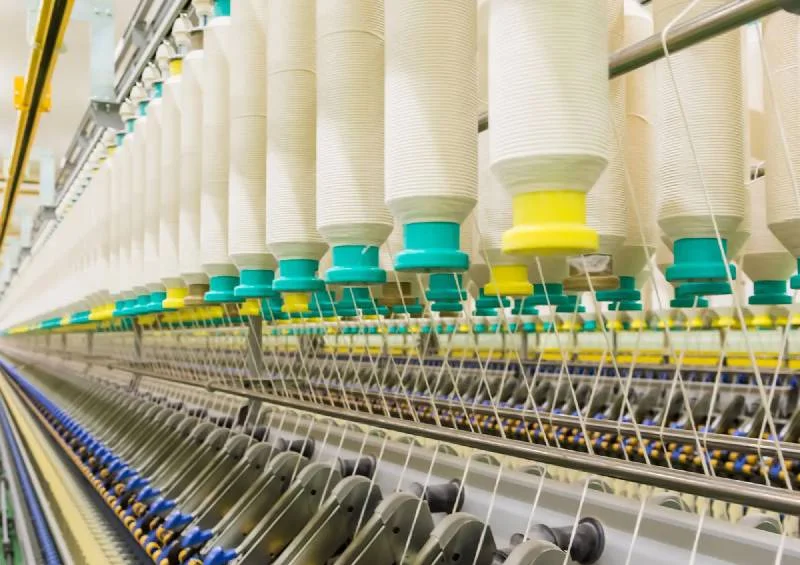
Overcoming challenges in the textile industry involves addressing a complex array of environmental, social, and economic issues. This requires innovative solutions, collaborative efforts, and strategic policy implementation.
Here is a comprehensive overview of the major challenges and strategies to overcome them:
1. Environmental Impact
Challenges:
- Resource Depletion: High water and energy consumption in textile production.
- Pollution: Use of harmful chemicals and dyes that contaminate water sources.
- Waste: Large amounts of textile waste ending up in landfills.
Solutions:
- Sustainable Materials: Promoting the use of organic, recycled, and biodegradable fibers to reduce environmental impact.
- Water and Energy Efficiency: Implementing technologies like closed-loop water systems, waterless dyeing techniques, and energy-efficient machinery.
- Chemical Management: Developing and using eco-friendly dyes and finishing processes to minimize chemical pollution.
2. Social and Ethical Issues
Challenges:
- Labor Exploitation: Poor working conditions, low wages, and lack of workers’ rights in many textile-producing regions.
- Supply Chain Transparency: Difficulty in tracing the origins of raw materials and ensuring ethical practices throughout the supply chain.
Solutions:
- Fair Trade Practices: Ensuring fair wages, safe working conditions, and workers’ rights through certifications and audits.
- Supply Chain Transparency: Using blockchain and other technologies to trace materials and ensure ethical sourcing and production.
3. Economic Viability
Challenges:
- Cost of Sustainable Practices: Higher costs associated with sustainable materials and technologies.
- Market Competition: Competing with fast fashion brands that offer low-cost products.
Solutions:
- Economies of Scale: As demand for sustainable textiles increases, larger production scales can reduce costs.
- Consumer Education: Raising awareness about the true cost of fast fashion and the benefits of sustainable choices to create a market shift towards more sustainable products.
- Incentives and Subsidies: Government policies and subsidies to support sustainable practices in the textile industry.
4. Technological Advancements
Challenges:
- Research and Development: Need for continuous innovation in sustainable materials and processes.
- Adoption of New Technologies: Resistance to change and the high cost of implementing new technologies.
Solutions:
- Investment in R&D: Encouraging public and private investment in the development of sustainable textile technologies.
- Collaborative Innovation: Industry collaboration to share knowledge, resources, and technologies that promote sustainability.
5. Waste Management
Challenges:
- Textile Waste: Large volumes of waste generated from production and post-consumer textiles.
- Recycling Technologies: Limited infrastructure and technology for effective recycling of textiles.
Solutions:
- Circular Economy Practices: Encouraging recycling, upcycling, and the use of post-consumer waste in new products.
- Extended Producer Responsibility (EPR): Policies that hold producers accountable for the entire lifecycle of their products, encouraging design for recyclability and waste reduction.
6. Policy and Regulation
Challenges:
- Regulatory Gaps: Inconsistent regulations across different regions and lack of enforcement.
- International Standards: Difficulty in establishing and maintaining global standards for sustainability.
Solutions:
- Harmonized Regulations: Developing and enforcing consistent environmental and social standards globally.
- Corporate Responsibility: Encouraging companies to adopt voluntary sustainability standards and certifications.
Conclusion
The textile industry faces significant challenges, but also has tremendous opportunities for transformation. Overcoming these challenges requires a multifaceted approach involving innovation, collaboration, and policy support. By adopting sustainable materials, improving labor practices, investing in new technologies, and fostering a circular economy, the industry can move towards a more sustainable and ethical future. Consumer awareness and demand for sustainable products will play a crucial role in driving this transformation, ultimately leading to a more responsible and resilient textile industry.